

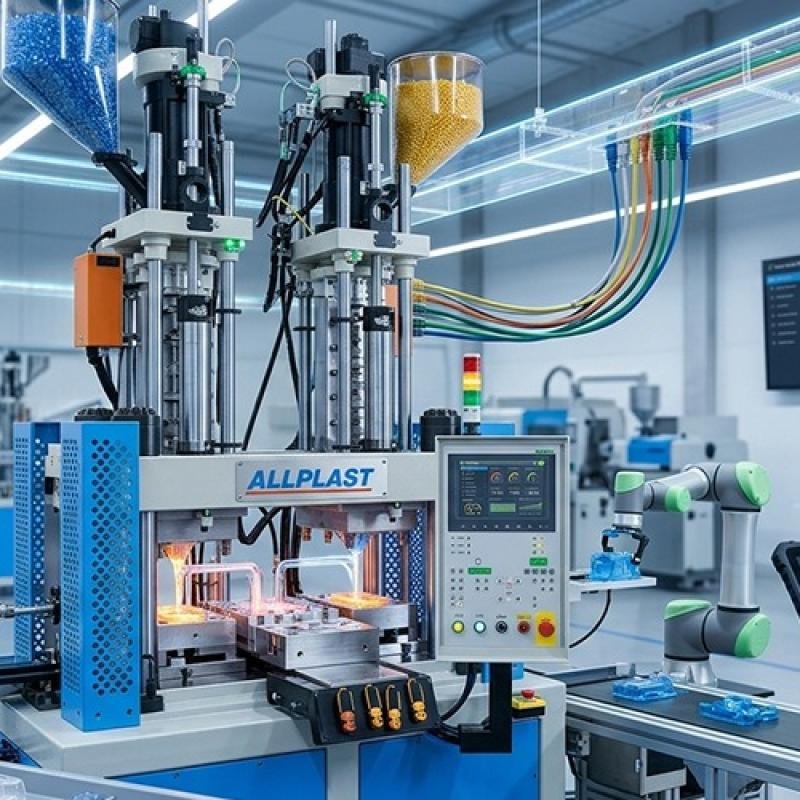
The plastic manufacturing industry is entering a new era driven by digital transformation and technological innovation. As global demand for high-quality, cost-efficient, and sustainable plastic products continues to rise, manufacturers are turning to Industry 4.0 to stay competitive.
Industry 4.0 represents the integration of advanced digital technologies into manufacturing processes, enabling factories to become smarter, faster, and more efficient. In the context of plastic manufacturing, this transformation is redefining how injection moulding, material handling, quality control, and overall production systems operate.
Smart factories are no longer a concept of the future—they are becoming the standard for modern manufacturing facilities. By leveraging automation, data analytics, and connectivity, plastic manufacturers can significantly enhance productivity, reduce waste, and ensure consistent product quality.
Industry 4.0, often referred to as the Fourth Industrial Revolution, builds upon previous industrial advancements by introducing intelligent systems that can communicate, analyze, and make decisions with minimal human intervention.
In plastic manufacturing, this means:
• Machines that communicate with each other
• Systems that...
The plastic manufacturing industry is entering a new era driven by digital transformation and technological innovation. As global demand for high-quality, cost-efficient, and sustainable plastic products continues to rise, manufacturers are turning to Industry 4.0 to stay competitive.
Industry 4.0 represents the integration of advanced digital technologies into manufacturing processes, enabling factories to become smarter, faster, and more efficient. In the context of plastic manufacturing, this transformation is redefining how injection moulding, material handling, quality control, and overall production systems operate.
Smart factories are no longer a concept of the future—they are becoming the standard for modern manufacturing facilities. By leveraging automation, data analytics, and connectivity, plastic manufacturers can significantly enhance productivity, reduce waste, and ensure consistent product quality.
Industry 4.0, often referred to as the Fourth Industrial Revolution, builds upon previous industrial advancements by introducing intelligent systems that can communicate, analyze, and make decisions with minimal human intervention.
In plastic manufacturing, this means:
• Machines that communicate with each other
• Systems that analyze production data in real time
• Automated processes that reduce manual dependency
• Intelligent decision-making through AI and machine learning
Core Technologies Driving Smart Plastic Manufacturing
• IoT: Enables real-time monitoring of machines and processes
• AI & Machine Learning: Improves decision-making and predicts machine failures
• Automation & Robotics: Enhances speed, precision, and safety
• Data Analytics: Helps optimize production and reduce inefficiencies
Benefits for Plastic Manufacturers
• Higher productivity through automation
• Improved product quality with real-time control
• Reduced downtime using predictive maintenance
• Lower operational costs and material waste
• Faster and more efficient production cycles
Applications in Plastic Injection Moulding
Injection moulding is one of the most widely used processes in plastic manufacturing, and Industry 4.0 has significantly enhanced its capabilities.
Key Applications:
• Real-time monitoring of process parameters
• Automated defect detection
• Smart energy management systems
• Remote diagnostics and machine control
For manufacturers using advanced machinery, such as vertical injection moulding machines, these technologies provide greater control, flexibility, and precision.
Challenges in Implementing Industry 4.0
While the benefits are substantial, adopting Industry 4.0 comes with certain challenges:
1. High Initial Investment
Implementing advanced technologies requires significant upfront costs.
2. Skill Gap
Workforce training is essential to operate and manage smart systems.
3. Integration Issues
Combining new technologies with existing legacy systems can be complex.
4. Data Security Concerns
With increased connectivity, ensuring data security becomes critical.
Despite these challenges, the long-term advantages make Industry 4.0 a worthwhile investment.
Future Trends in Smart Plastic Manufacturing
The future of plastic manufacturing will be shaped by continuous advancements in technology.
Emerging Trends:
• Fully autonomous production lines
• AI-driven self-optimizing machines
• Integration with global supply chains
• Increased use of sustainable materials
• Advanced human-machine collaboration
As these trends evolve, manufacturers who adopt Industry 4.0 early will gain a significant competitive advantage.
analyze production data in real time
• Automated processes that reduce manual dependency
• Intelligent decision-making through AI and machine learning
Core Technologies Driving Smart Plastic Manufacturing
• IoT: Enables real-time monitoring of machines and processes
• AI & Machine Learning: Improves decision-making and predicts machine failures
• Automation & Robotics: Enhances speed, precision, and safety
• Data Analytics: Helps optimize production and reduce inefficiencies
Benefits for Plastic Manufacturers
• Higher productivity through automation
• Improved product quality with real-time control
• Reduced downtime using predictive maintenance
• Lower operational costs and material waste
• Faster and more efficient production cycles
Applications in Plastic Injection Moulding
Injection moulding is one of the most widely used processes in plastic manufacturing, and Industry 4.0 has significantly enhanced its capabilities.
Key Applications:
• Real-time monitoring of process parameters
• Automated defect detection
• Smart energy management systems
• Remote diagnostics and machine control
For manufacturers using advanced machinery, such as vertical injection moulding machines, these technologies provide greater control, flexibility, and precision.
Challenges in Implementing Industry 4.0
While the benefits are substantial, adopting Industry 4.0 comes with certain challenges:
1. High Initial Investment
Implementing advanced technologies requires significant upfront costs.
2. Skill Gap
Workforce training is essential to operate and manage smart systems.
3. Integration Issues
Combining new technologies with existing legacy systems can be complex.
4. Data Security Concerns
With increased connectivity, ensuring data security becomes critical.
Despite these challenges, the long-term advantages make Industry 4.0 a worthwhile investment.
Future Trends in Smart Plastic Manufacturing
The future of plastic manufacturing will be shaped by continuous advancements in technology.
Emerging Trends:
• Fully autonomous production lines
• AI-driven self-optimizing machines
• Integration with global supply chains
• Increased use of sustainable materials
• Advanced human-machine collaboration
As these trends evolve, manufacturers who adopt Industry 4.0 early will gain a significant competitive advantage.
Click one of our representatives below to chat on WhatsApp or send us an email to sales@allplastindia.com
 ×
×