

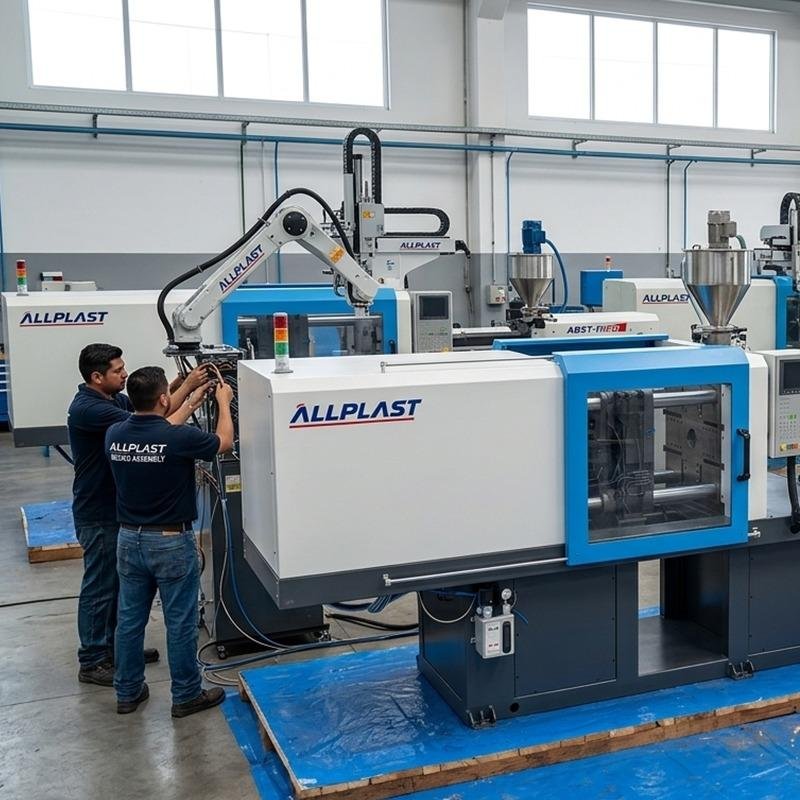
The plastic manufacturing industry has experienced significant disruption over the past few years due to global events, trade uncertainties, and rising costs. As companies rethink their production strategies, nearshoring has emerged as a critical trend shaping supply chain dynamics in 2026.
Nearshoring relocating production closer to the target market offers opportunities for cost optimization, faster delivery, and improved supply chain resilience. For plastic manufacturers, this shift is changing how products are designed, produced, and delivered globally.
What is Nearshoring?
Nearshoring is the practice of moving production or sourcing closer to the home market or end consumer. Unlike offshoring, which often involves relocating to distant countries for lower labor costs, nearshoring prioritizes proximity, speed, and supply chain control.
In plastics, nearshoring can involve:
Relocating injection molding or extrusion plants closer to key markets
Sourcing raw materials from nearby suppliers
Reducing reliance on global shipping and long lead times
Why Nearshoring is Gaining Momentum in the Plastic Industry
1. Rising Shipping and Logistics Costs
Global supply chains are facing increasing costs due...
The plastic manufacturing industry has experienced significant disruption over the past few years due to global events, trade uncertainties, and rising costs. As companies rethink their production strategies, nearshoring has emerged as a critical trend shaping supply chain dynamics in 2026.
Nearshoring relocating production closer to the target market offers opportunities for cost optimization, faster delivery, and improved supply chain resilience. For plastic manufacturers, this shift is changing how products are designed, produced, and delivered globally.
What is Nearshoring?
Nearshoring is the practice of moving production or sourcing closer to the home market or end consumer. Unlike offshoring, which often involves relocating to distant countries for lower labor costs, nearshoring prioritizes proximity, speed, and supply chain control.
In plastics, nearshoring can involve:
Relocating injection molding or extrusion plants closer to key markets
Sourcing raw materials from nearby suppliers
Reducing reliance on global shipping and long lead times
Why Nearshoring is Gaining Momentum in the Plastic Industry
1. Rising Shipping and Logistics Costs
Global supply chains are facing increasing costs due to fuel price fluctuations, port congestion, and shipping delays. Nearshoring reduces transportation distances, helping manufacturers cut costs and maintain competitive pricing.
2. Supply Chain Resilience
The COVID-19 pandemic and geopolitical disruptions revealed the vulnerability of long, complex supply chains. Nearshoring allows manufacturers to:
Mitigate risks from international disruptions
Quickly respond to market demand
Ensure consistent product availability
3. Faster Time-to-Market
Producing closer to customers reduces transit times significantly. For plastics, this means faster delivery of components, packaging, and custom products to industries such as:
Automotive
Consumer goods
Electronics
Packaging
Faster production cycles enable companies to stay competitive and respond to changing market trends.
Impact on Plastic Manufacturing Processes
Nearshoring is not just a logistics strategy—it also influences production decisions:
1.Localized Production Facilities
Manufacturers invest in regional plants equipped with vertical and horizontal injection molding machines to produce small- to medium-scale orders quickly.
2.Flexible Manufacturing
Nearshoring encourages modular production units that can handle multiple products, reduce waste, and respond to demand fluctuations.
3.Integration with Smart Technologies
Smaller, closer-to-market plants often adopt automation, IoT, and AI-based production monitoring to maximize efficiency and minimize human dependency.
Advantages of Nearshoring for Plastic Manufacturers
Reduced Lead Times: Shorter distance to market ensures quicker product delivery
Lower Inventory Costs: Less need to stockpile products due to reliable local production
Improved Quality Control: Easier oversight and quicker corrective actions
Sustainability Benefits: Reduced carbon footprint from shorter transportation routes
Enhanced Customer Service: Faster response to urgent orders and customization requests
Challenges of Nearshoring
Despite its advantages, nearshoring comes with challenges:
1.Higher Labor Costs Compared to Offshoring
Labor may be more expensive in nearby countries compared to traditional offshore hubs.
2.Infrastructure and Capacity Limitations
Local facilities may need investment in machinery and skilled workforce.
3.Raw Material Sourcing
Some raw materials may still need to be imported, affecting cost efficiency.
4.Regulatory Compliance
Manufacturers must navigate local regulations, which can vary from country to country.
Future Outlook
Nearshoring in the plastic industry is expected to grow in 2026 and beyond due to:
Continued global supply chain volatility
Rising focus on sustainability and carbon reduction
Increased demand for customized and small-batch production
Advances in automation and vertical injection molding technologies
Manufacturers who embrace nearshoring can achieve faster delivery, better customer satisfaction, and greater resilience in the face of global disruptions.
to fuel price fluctuations, port congestion, and shipping delays. Nearshoring reduces transportation distances, helping manufacturers cut costs and maintain competitive pricing.
2. Supply Chain Resilience
The COVID-19 pandemic and geopolitical disruptions revealed the vulnerability of long, complex supply chains. Nearshoring allows manufacturers to:
Mitigate risks from international disruptions
Quickly respond to market demand
Ensure consistent product availability
3. Faster Time-to-Market
Producing closer to customers reduces transit times significantly. For plastics, this means faster delivery of components, packaging, and custom products to industries such as:
Automotive
Consumer goods
Electronics
Packaging
Faster production cycles enable companies to stay competitive and respond to changing market trends.
Impact on Plastic Manufacturing Processes
Nearshoring is not just a logistics strategy—it also influences production decisions:
1.Localized Production Facilities
Manufacturers invest in regional plants equipped with vertical and horizontal injection molding machines to produce small- to medium-scale orders quickly.
2.Flexible Manufacturing
Nearshoring encourages modular production units that can handle multiple products, reduce waste, and respond to demand fluctuations.
3.Integration with Smart Technologies
Smaller, closer-to-market plants often adopt automation, IoT, and AI-based production monitoring to maximize efficiency and minimize human dependency.
Advantages of Nearshoring for Plastic Manufacturers
Reduced Lead Times: Shorter distance to market ensures quicker product delivery
Lower Inventory Costs: Less need to stockpile products due to reliable local production
Improved Quality Control: Easier oversight and quicker corrective actions
Sustainability Benefits: Reduced carbon footprint from shorter transportation routes
Enhanced Customer Service: Faster response to urgent orders and customization requests
Challenges of Nearshoring
Despite its advantages, nearshoring comes with challenges:
1.Higher Labor Costs Compared to Offshoring
Labor may be more expensive in nearby countries compared to traditional offshore hubs.
2.Infrastructure and Capacity Limitations
Local facilities may need investment in machinery and skilled workforce.
3.Raw Material Sourcing
Some raw materials may still need to be imported, affecting cost efficiency.
4.Regulatory Compliance
Manufacturers must navigate local regulations, which can vary from country to country.
Future Outlook
Nearshoring in the plastic industry is expected to grow in 2026 and beyond due to:
Continued global supply chain volatility
Rising focus on sustainability and carbon reduction
Increased demand for customized and small-batch production
Advances in automation and vertical injection molding technologies
Manufacturers who embrace nearshoring can achieve faster delivery, better customer satisfaction, and greater resilience in the face of global disruptions.
Click one of our representatives below to chat on WhatsApp or send us an email to sales@allplastindia.com
 ×
×