

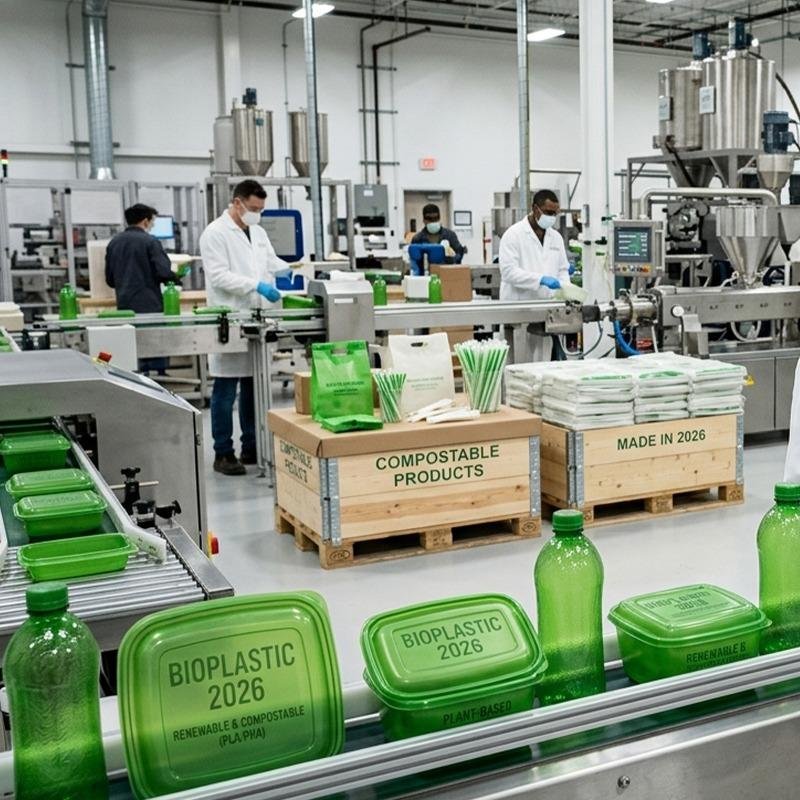
As sustainability becomes a global priority, the plastic manufacturing industry is witnessing a major shift toward eco-friendly alternatives. One of the most talked-about innovations is bioplastics—materials designed to reduce environmental impact while maintaining functionality.
In 2026, the question is no longer whether bioplastics are relevant, but whether they are capable of replacing traditional plastics entirely.
What Are Bioplastics?
Bioplastics are a type of plastic made from renewable biological sources such as corn starch, sugarcane, or vegetable oils. Some bioplastics are biodegradable, while others are designed to be bio-based but still durable like conventional plastics.
They are developed to reduce dependence on fossil fuels and minimize environmental pollution caused by plastic waste.
Why Are Bioplastics Gaining Popularity?
The rapid growth of bioplastics is driven by several key factors:
Environmental Concerns: Rising awareness about plastic pollution and climate change
Government Regulations: Stricter rules on single-use plastics across many countries
Consumer Demand: Increasing preference for sustainable and eco-friendly products
Corporate Responsibility: Brands adopting greener packaging solutions
Industries such as packaging, automotive, and consumer goods...
As sustainability becomes a global priority, the plastic manufacturing industry is witnessing a major shift toward eco-friendly alternatives. One of the most talked-about innovations is bioplastics—materials designed to reduce environmental impact while maintaining functionality.
In 2026, the question is no longer whether bioplastics are relevant, but whether they are capable of replacing traditional plastics entirely.
What Are Bioplastics?
Bioplastics are a type of plastic made from renewable biological sources such as corn starch, sugarcane, or vegetable oils. Some bioplastics are biodegradable, while others are designed to be bio-based but still durable like conventional plastics.
They are developed to reduce dependence on fossil fuels and minimize environmental pollution caused by plastic waste.
Why Are Bioplastics Gaining Popularity?
The rapid growth of bioplastics is driven by several key factors:
Environmental Concerns: Rising awareness about plastic pollution and climate change
Government Regulations: Stricter rules on single-use plastics across many countries
Consumer Demand: Increasing preference for sustainable and eco-friendly products
Corporate Responsibility: Brands adopting greener packaging solutions
Industries such as packaging, automotive, and consumer goods are actively exploring bioplastic alternatives to meet sustainability goals.
Advantages of Bioplastics
Bioplastics offer several benefits that make them attractive for modern manufacturing:
Reduced Carbon Footprint: Made from renewable resources
Lower Environmental Impact: Some types are biodegradable or compostable
Energy Efficiency: Often require less energy to produce
Sustainable Branding: Helps companies align with eco-conscious consumers
Challenges and Limitations
Despite their benefits, bioplastics are not without challenges:
Higher Cost: Production is still more expensive than traditional plastics
Limited Availability: Not all industries can easily switch to bioplastics
Performance Constraints: Some bioplastics may lack durability or heat resistance
Infrastructure Gaps: Composting and recycling systems are not fully developed everywhere
These limitations currently prevent bioplastics from fully replacing conventional plastics.
Are Bioplastics Replacing Traditional Plastics in 2026?
In 2026, bioplastics are not completely replacing traditional plastics, but they are rapidly gaining market share. Instead of a full replacement, the industry is moving toward a hybrid approach, where both materials coexist based on application requirements.
For example:
Bioplastics are widely used in packaging and disposable products
Traditional plastics remain dominant in heavy-duty and high-performance applications
This balanced approach allows manufacturers to optimize both performance and sustainability.
Future Outlook
The future of bioplastics looks promising as technology continues to evolve. Key developments include:
Improved strength and durability of bioplastic materials
Cost reduction through large-scale production
Better recycling and composting infrastructure
Increased adoption across industries
As innovation continues, bioplastics are expected to play a much larger role in the global plastic industry.
are actively exploring bioplastic alternatives to meet sustainability goals.
Advantages of Bioplastics
Bioplastics offer several benefits that make them attractive for modern manufacturing:
Reduced Carbon Footprint: Made from renewable resources
Lower Environmental Impact: Some types are biodegradable or compostable
Energy Efficiency: Often require less energy to produce
Sustainable Branding: Helps companies align with eco-conscious consumers
Challenges and Limitations
Despite their benefits, bioplastics are not without challenges:
Higher Cost: Production is still more expensive than traditional plastics
Limited Availability: Not all industries can easily switch to bioplastics
Performance Constraints: Some bioplastics may lack durability or heat resistance
Infrastructure Gaps: Composting and recycling systems are not fully developed everywhere
These limitations currently prevent bioplastics from fully replacing conventional plastics.
Are Bioplastics Replacing Traditional Plastics in 2026?
In 2026, bioplastics are not completely replacing traditional plastics, but they are rapidly gaining market share. Instead of a full replacement, the industry is moving toward a hybrid approach, where both materials coexist based on application requirements.
For example:
Bioplastics are widely used in packaging and disposable products
Traditional plastics remain dominant in heavy-duty and high-performance applications
This balanced approach allows manufacturers to optimize both performance and sustainability.
Future Outlook
The future of bioplastics looks promising as technology continues to evolve. Key developments include:
Improved strength and durability of bioplastic materials
Cost reduction through large-scale production
Better recycling and composting infrastructure
Increased adoption across industries
As innovation continues, bioplastics are expected to play a much larger role in the global plastic industry.
Click one of our representatives below to chat on WhatsApp or send us an email to sales@allplastindia.com
 ×
×